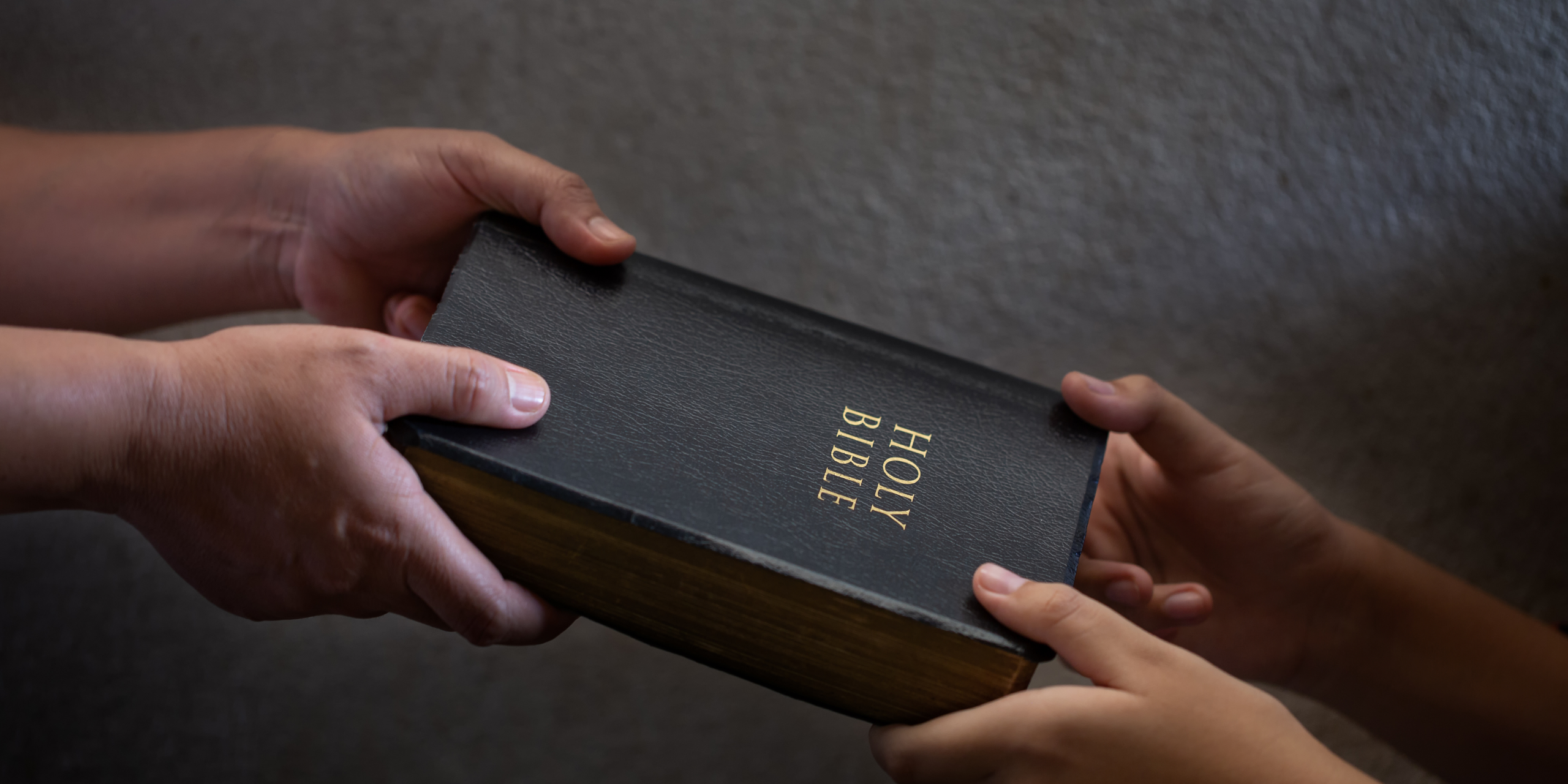
I remember the first time I tried to read my Bible. I was nineteen years old, a new Christian, and sincerely trying to follow my pastor’s advice to “spend time in God’s Word.” I wanted to know God. I wanted to hear His voice. But when I opened my Bible, I felt intimidated right away.
It was nearly two thousand pages long. Most of the books I had read up to that point were around two hundred pages. The Bible felt less like a book and more like Mt. Everest. I didn’t know where to start, how to read it, or what I was supposed to be getting out of it.
When I tried anyway, everything felt unfamiliar. The names were hard to pronounce. The events took place in cultures I didn’t understand, thousands of years before my own life. I couldn’t see a clear storyline, and each book felt disconnected from the next. I knew the words were important—but I couldn’t tell why they should matter to me.
Most days, reading Scripture felt like watching a random five-minute clip from The Lord of the Rings without knowing anything about the storyline. I had no context, no framework, and no idea what I was really reading. I felt lost—and honestly, frustrated.
If you’ve ever opened your Bible and felt confused, overwhelmed, or stuck, you are not alone. Many people struggle with Bible reading—not because they don’t love God, but because the Bible is a very different kind of book than what we’re used to reading.

Why the Bible Feels So Different
Here’s the good news: you are not the problem.
The Bible can be difficult to read because it is different. It is unlike any other book on earth—not because it is meant to confuse you, but because it is holy. Scripture did not begin in the imagination of human beings. It began in the heart of God.
God is the true Author of the Bible. While He didn’t physically hold the pen when it was written, every word of Scripture originated in His will. God chose real people to write it—people with distinct personalities, emotions, and life experiences—and guided them so that what they wrote communicated exactly what He intended.
This process is called biblical inspiration. Scripture is “God-breathed,” meaning God spoke through human authors so His truth could be recorded for us. That’s why the Bible feels alive—and why understanding the Bible requires a different approach than reading any other book.
One Book… Made of Many Books
Another reason the Bible can feel overwhelming is because it isn’t actually one book—it’s a small library.
The Bible is made up of sixty-six individual books written over roughly 1,500 years by more than forty different authors across three continents. These writers came from all walks of life: kings and shepherds, prophets and poets, fishermen, farmers, and doctors. Most of them had never met.
And yet, together they tell one unified story: creation, humanity’s fall into sin, and God’s relentless pursuit of redemption. Like a composer weaving one melody through many instruments, God tells one story through many voices. Understanding this big picture is key to learning how to read Scripture with confidence.
Why God Gave Us Scripture
The Bible was not given to make you religious. It was not written to overwhelm you with rules or turn you into a theology expert. Scripture was written for real people living real lives—people like you.
God invites you into His Word because He desires a relationship with you. Through the Bible, He reveals who He is, what He has done, and how deeply He loves you. The purpose of Scripture is not information — it is transformation.
Why Learning to Read the Bible Matters
Learning how to read and understand the Bible will change your life in ways nothing else can. Scripture brings clarity when life feels confusing, direction when you don’t know where to go, and comfort when you feel discouraged or alone.
As you spend time in God’s Word, you begin to recognize His voice, His character, and His heart—not just on the page, but in your everyday life. Bible reading shapes how you see the world, how you respond to challenges, and how you walk with God daily.
The Posture That Changes Everything
Before going further, one thing matters deeply: how you approach the Bible.
Many people approach Scripture with intimidation—This is too big. Too complicated. Too hard for me. God invites you instead to come with reverence, recognizing that the Bible is the living Word of God, revealing Himself to the world.
Others read with emotional distance, hoping to learn something but not expecting to encounter Someone. God invites you to read with expectancy, believing He wants to speak to you personally.
And instead of frustration, come with curiosity. Ask questions. Wonder. Pay attention. God is not hiding from you—He is inviting you to seek Him.
An Invitation to Be Intentional with God’s Word
And as you read God’s Word, you’ll discover this truth: the Bible is not a book you read once and then set aside—it’s a place you return to, again and again, to meet with the God who knows you, loves you, and longs to transform you from the inside out.
That transformation begins in your heart and flows into your everyday life—shaping how you respond rather than react, how you love rather than withdraw, and how you walk through both joy and hardship with steadiness and grace. It affects how you parent, how you treat your spouse, how you speak to coworkers, and how you approach the work God has placed before you.
You don’t need to be an expert to get started. You just need to take the next step—opening God’s Word with intention and trust.
And as you do, you’ll find that God’s Word doesn’t just inform you. Instead, it transforms you, because you meet the Author.