


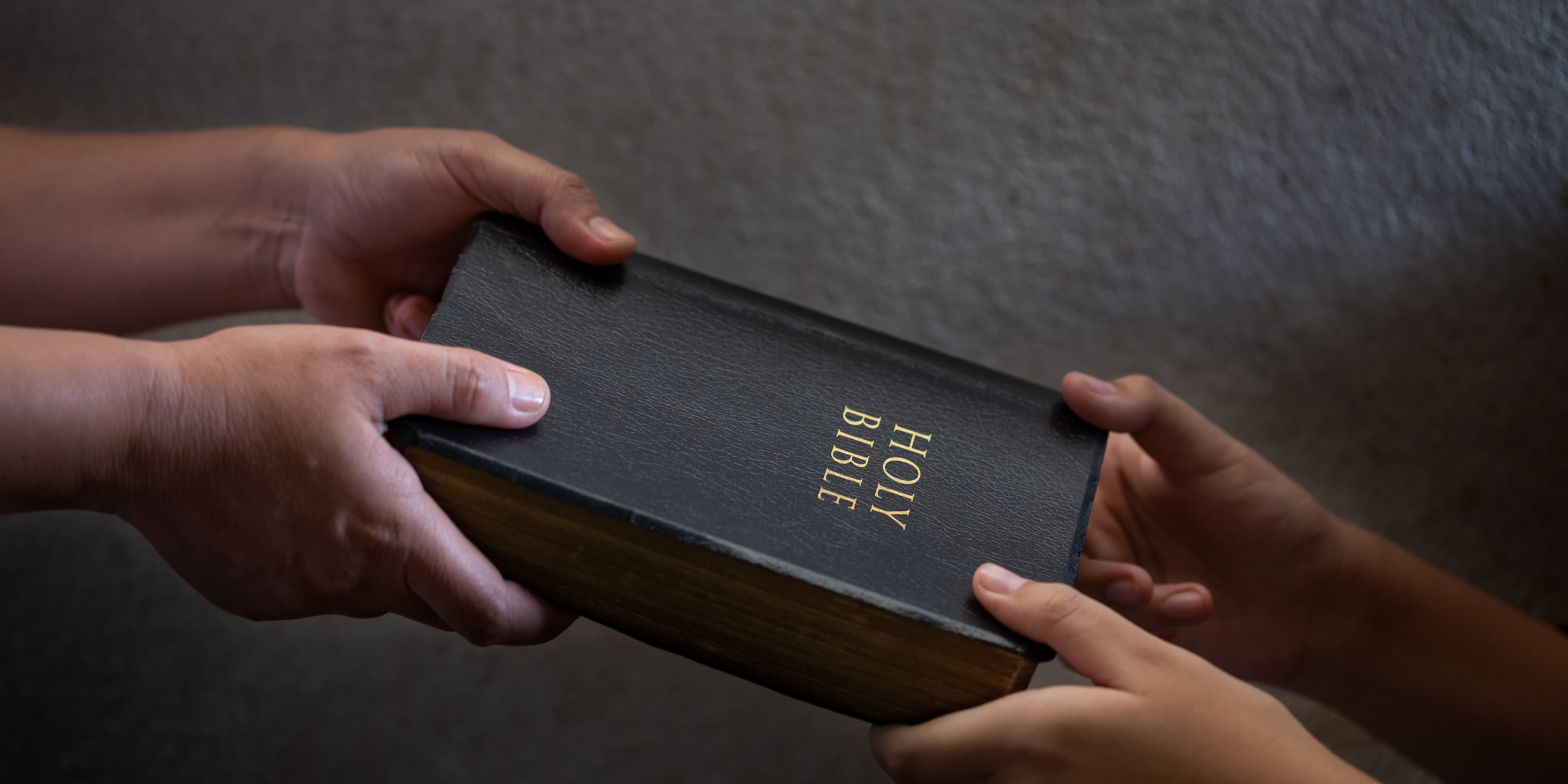
As Christian parents, we all want our children to love God’s Word. We faithfully read Bible stories at bedtime, memorize Scripture together, and bring them to church each week. But have you ever finished reading a passage with your child only to realize that neither of you could clearly explain what you just read?
If you’re honest, you’ve probably experienced the same thing during your own quiet time. You read a chapter, close your Bible, and remember a verse or two, but struggle to summarize the passage or explain the author’s main point.
The problem usually isn’t that the Bible is too difficult to understand. More often, it’s because we’ve learned to read too quickly.
Our culture trains us to skim. We scan emails, scroll social media, glance at headlines, and move rapidly from one thing to the next. Without realizing it, we often bring those same habits into our Bible reading. We read a few verses, assume we understand them, and immediately jump to what they mean or how they apply to our lives.
But if we want to build faith in our children and help them become lifelong disciples of Jesus, we must first teach them to slow down and truly see what God has placed in His Word.
The Missing Skill in Family Discipleship
One of the greatest gifts we can give our children isn’t simply teaching them what the Bible says—it’s teaching them how to discover its truth for themselves.
At Legacy Ministries, we believe family discipleship happens best when parents intentionally equip their children to walk with God long after they leave home. Our goal isn’t merely to raise children who know Bible stories. We want to raise young men and women who know how to open God’s Word, understand it, and allow it to shape their lives.
That journey begins with one simple skill: observation.
Observation is learning to pay careful attention to what the passage actually says before deciding what it means or how it applies. It sounds simple, but this single habit can transform the way your family reads Scripture together.
Instead of immediately asking, “What does this mean for me?” begin by asking, “What do I actually see?” Slowing down in this way helps us hear God’s voice through His Word instead of relying on our assumptions.

Why Observation Matters for Christian Parents
Children are naturally observant. They notice details adults often miss. They ask thoughtful questions, recognize patterns, and aren’t afraid to wonder why something was written the way it was.
Those qualities make children wonderful students of Scripture.
When we encourage their curiosity instead of rushing through a devotional, Bible reading becomes a conversation rather than a lecture. Instead of simply giving answers, we begin exploring God’s Word together.
Observation also protects both parents and children from one of the most common mistakes in Bible study—reading our own ideas into a passage instead of allowing Scripture to speak for itself.
When we slow down, we begin noticing repeated words, important commands, meaningful contrasts, connecting phrases, and the overall flow of the passage. Those details are not accidental. Every word the biblical authors included serves a purpose, and paying attention to those details helps us understand God’s intended message more clearly.

Healthy Bible Reading Starts with Observation
Many Christians unintentionally reverse the Bible study process. We read a verse and immediately ask how it applies to our lives before we’ve carefully considered what the author is actually saying.
Healthy Bible reading follows a much stronger pattern:
- Observation: What do I see?
- Interpretation: What is the author communicating?
- Application: How should I respond?
Each step builds upon the one before it.
Imagine trying to build a house without first pouring the foundation. It might stand for a while, but eventually cracks will begin to appear. In the same way, when our understanding isn’t grounded in careful observation, we often rely on assumptions, familiar sayings, or something we’ve heard another teacher explain rather than allowing Scripture to speak for itself.
Teaching our children this process equips them with a skill they will use for the rest of their lives. As they grow, they’ll learn that God’s Word isn’t confusing or inaccessible. They simply need to slow down, observe carefully, and let the text guide their understanding.
Two Questions That Transform Bible Reading
Teaching kids the Bible doesn’t have to be complicated. Every family can begin with two simple questions whenever they open Scripture together.
What did the author say?
This question keeps everyone focused on the passage itself instead of immediately jumping to conclusions. It encourages children to notice the actual words before trying to explain them.
The second question is equally important.
What is happening in this passage?
Is the author telling a story? Giving a command? Offering encouragement? Correcting sinful behavior? Explaining a promise? These simple questions help children recognize that every passage has a purpose and a message the author intended to communicate.
Over time, these questions become natural, helping your family develop better Bible reading habits together.

Five Things to Look for When Reading Scripture
Once your family begins slowing down, you’ll discover that God’s Word is filled with clues that help explain its meaning.
Start by looking for repeated words or ideas. When a word or phrase appears several times, it’s often the author’s way of emphasizing the central message. Psalm 136, for example, repeats God’s enduring love throughout the entire chapter, making it impossible to miss the main point.
Next, notice commands. Words such as rejoice, love, trust, and do not fear reveal how God is calling His people to respond. Children often enjoy identifying these because it feels like a treasure hunt through Scripture.
Then look for contrasts. The Bible frequently places two opposing ideas side by side—light and darkness, wisdom and foolishness, life and death, fear and faith. These comparisons help children understand why God’s ways are different from the world’s.
Don’t overlook connecting words like because, therefore, but, so that, and then. Although they seem small, they often explain how one thought leads to another. Helping children notice these words teaches them that Scripture has structure and purpose rather than being a collection of random verses.
Finally, pay attention to the tone of the passage. Ask your children whether it sounds encouraging, corrective, comforting, urgent, joyful, or challenging. Learning to hear the heart behind the words helps children better understand both God’s character and His message.
Turning Bible Reading into Family Discipleship
One of the easiest ways to build faith in your children daily is to replace lecture-style devotions with meaningful conversations. Instead of feeling responsible to explain every verse, invite your children to discover what they see.
Ask questions like, “What stood out to you?” “Did you notice anything repeated?” “Was there a command?” “How would you describe the tone of this passage?”
You may be surprised by what your children notice.
Some of the most meaningful discipleship moments don’t happen because parents have all the answers. They happen because families are willing to slow down, ask good questions, and discover God’s truth together.
Teaching kids the Bible isn’t about getting through another chapter. It’s about helping them develop eyes that truly see God’s Word. As they learn to observe carefully, they’ll begin to understand Scripture with greater confidence—and they’ll discover that the Bible is not simply a book to read, but God’s living Word that transforms every part of life.
Read more on how to teach your children to read the bible:
Understanding the Bible’s Story: A Simple Guide for Parents | Legacy Ministries International
How to Navigate the Bible: A Beginner’s Guide for Parents and Kids | Legacy Ministries International
How to Understand the Bible | Legacy Ministries International






Leave A Comment