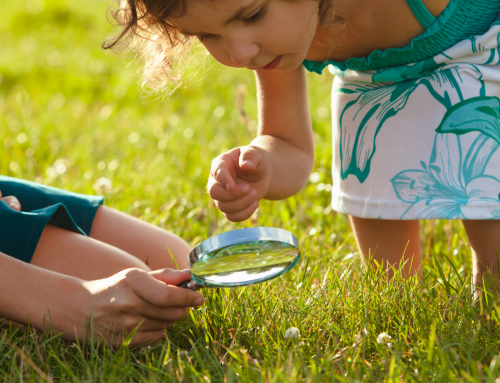
Four Tips to Challenge Ourselves and Our Children to Learn and Love the Process
It’s hard to believe that when this post is submitted, many teachers will be back in school for their administrative days, planning their syllabus and organizing classrooms. Parents may be wrapping up school supply shopping or are just starting. Homeschool parents might already be back to the grind, but maybe you’re like our family, waiting for the end of summer to finally take a little family vacation. Wherever you are in the process, school will be rolling again soon, and one vital aspect of education often ignored is one we should take seriously: learning to love learning.
Who Can Learn to Love Learning?
We can all learn to love learning regardless of age, child, or adult. Learning starts at a young age- from realizing our first screams will glean results- (we learn to get what we want.) As we get older, we either continue to learn or become cocky in what we know- thinking we can’t continue to learn. While barriers may exist to learning as we age, we don’t have to stop learning- we can continue to prioritize it and pass on its importance to younger generations.
What Happens if We Don’t Learn?
The results of no longer learning or of not challenging ourselves might surprise us, or we might already see the result in society today. In 2016, author and businessman Jon Mertz wrote an article with a list of things that might occur if people stopped learning. Some of these things included:
- We would become enamored with the superficial rather than challenging for greater substance.
- We would become fearful of what we don’t know instead of exploring to understand.
- We would bulldoze others who don’t fit instead of developing our empathetic capacity. *Click here to see the complete list.
What Does The Bible Say About Learning?
Biblical teaching is full of encouragement and truth on the importance of learning. Daniel tells us that God gave Daniel and his friends knowledge and understanding of all kinds of literature and learning (Daniel 1:17).
2 Timothy 3:16 tells us all scripture is breathed out by God and profitable for teaching (emphasis mine).
Romans 15:4 tells us that what was written in the past was written to teach us.
Psalm 32:8 tells us, “I will instruct you and teach you in the way you should go”
Lastly, Deuteronomy 6:6 tells us to teach our children diligently. Knowing these verses can help us be intentional in learning.

Four Things We Learn About Learning From Scripture
- We can learn from multiple avenues- Read the Bible and other literature. We can learn much about the world by studying different philosophies and literature.
- Scripture should be used in teaching and to measure and weigh the other ideas the world presents. We can learn other ideas but not embrace them. Check everything on what we know to be true.
- Know history and learn from it! For tips on connecting to history, see this blog: https://legacyfamilyministries.com/2023/09/11/helping-our-children-connect-to-christian-history/
- Teach what you learn to others. How sad would it be if everyone kept what they learned to themselves!? Instead, share your knowledge with others, starting with your children.
When we embrace the above four things, we can next examine four practical steps we can take to increase our learning and prioritize it in our lives.

Four Steps to Take to Increase Learning to Love Learning
Ask yourself honestly if you are seeking opportunities to learn.
Have you read lately? Have you had challenging conversations with people close to you? Do you have a spirit of humility, or is this an area of growth for you? Are you more interested in giving advice or seeking it?
Read.
Find a friend, read with your spouse, or read with your children. Pick some books and read together. One book I would recommend is “Love Your God with All Your Mind” by J.P. Moreland.
Find someone who pushes you.
I recently had someone tell me he considers himself “sandpaper” for God. Find someone who will help you stretch. Who will have hard conversations with you? Who will challenge you on things and encourage your growth? Someone who will read a book with you and think through cultural issues, apologetics, etc.
Take a Class.
Community colleges make it simple and affordable to take a class. Can’t go back to school? Find a class or start a group at your church on a topic that interests you.
Learning to love learning starts with changing our hearts and understanding its importance. Once we realize we are created to learn and learning is a gift, we can take steps to be more intentional about how we learn. The skill and appreciation of learning enriches our lives and helps us parent better. Don’t just tell your children to go to school and that it’s important to learn; model it. Live it. Love it!