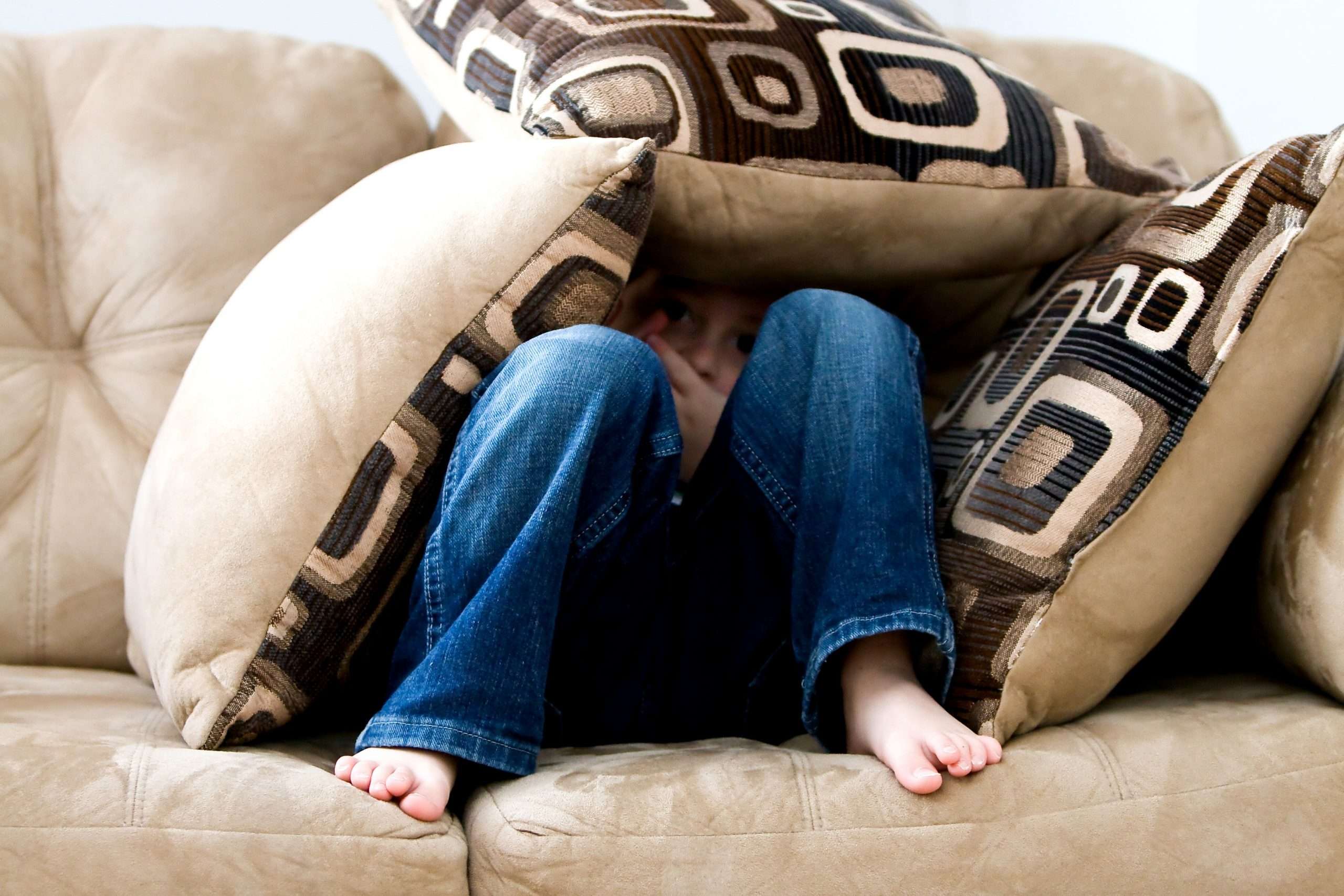
We walked into the store the other day, and the kids looked wide-eyed at all the Halloween decorations. They were unfamiliar with the goblins and other scary costumes and lawn decorations. They are not well-versed in Halloween ideas as we have always attended fall festivals and skipped Halloween-specific festivities. I have a strong dislike for Halloween and the fear that it glorifies. I have always disliked finding humor and entertainment in gross and scary circumstances, and my disdain for it has only intensified since having children. It’s another cultural experience that Christians have debated for years, to celebrate or not.
Unfortunately, I have no answer or suggestion other than to pray for insight and wisdom from the Lord to guide you in your parenting decisions. Instead, what a perfect time to address a topic many parents and children experience: fear.

Times I have been Afraid
I was terrified when I found out I was pregnant with our first child. My husband wasn’t home as he had left for work early, and I ran to the VA, where I could get a pregnancy test. When the test was confirmed “positive,” I cried so much that the nurse asked if I would keep the baby. Frankly, that didn’t help the situation. I was in shock. In earlier conversations, I had told my husband and friends that I never wanted to be pregnant. The whole process was something I wanted no part of. The nurse walked me through all my benefits and finding a provider. I was scared.
During that pregnancy, Joel and I had so many decisions to make. One was whether to find out the gender of our baby. I convinced Joel that it would be fun to be surprised. Inside though, I didn’t want to know. To me, the scariest thing would be finding out we were having a girl. I knew nothing about raising girls and nothing about what I thought girls liked and needed: makeup, dresses, jewelry, etc. So, I felt like I was unprepared and inadequate. Again, I was scared.
Different fears arise throughout our parenting. Every new stage our children enter brings with it a multitude of questions, concerns, and the potential for parenting worries and fears. I’ve known many Christians with extraordinary faith who have it all together and hand their concerns and worries over to the Lord with ease. I don’t have that. I have had times when I hold on to my fears until someone else reminds me of what the Lord says.
Managing Fear Starts as a Child
When I was little, I had an overwhelming fear of what would happen when I died. Was I a Christian? In the basic sense, Yes. I remember having a firm belief in Christ. I believed he died for my sins; I attended church and was actively involved. I read my Bible, both with my parents and individually. I would think of every “what if” scenario, and they would spiral until I lost control of where my brain was at that moment. I still had fears. Unfortunately, I was also a person who didn’t talk about my fears. I grew up uncomfortable bringing them up. I would be embarrassed about them and didn’t want to feel judged. Instead, I let the fears fester, leading to long, sleepless nights and panic attacks that no one knew about.

Questions Christian Parents Need to be Asking
Depending on where you look, we find that “fear” is addressed in the Bible over 500 times! It’s crucial, and Christian parents need to be aware and actively ready to train their children to handle it. The Bible teaches us not to be afraid (Isaiah 41:10, Philippians 4:6-7, Matthew 6:24). We are told what to do when we are scared (Psalm 56:3, Deuteronomy 31:6, Psalm 55:22-23). We are taught what type of things to think about (Philippians 4:8), and we are told how God helps us through fears (Psalm 34:4, 1 Peter 5:7, John 14:27, Exodus 14:14). God wants us to be prepared to handle fear and He wants us to teach our children the same skills diligently. To do this, we need to make an honest parenting assessment.
- How are we perpetuating fear in the lives of our children? Movies, television, video games, and how we celebrate and encourage different holidays can all introduce our children to fearful ideas and promote a fascination with things that are not Biblical, holy, or Christlike. It is hard enough to overcome the fears we face regularly.
- Are we being intentional, ensuring that we aren’t adding additional layers that only serve to increase the growth of fear?
There is a chance that some of us might make parenting changes when we challenge ourselves and make an honest assessment of our intentionality. We can only adequately teach our children about challenging topics when we decide to be more intentional.
Teaching our Children about Fear
I remember watching our firstborn move from the innocent stage of exploration, discovery, and confidence she had up until she was five. Suddenly things started scaring her. From unfamiliar noises to fear that a friend didn’t like her anymore, she began experiencing fears that we were not expecting. It seemed like it happened overnight, but I’m sure there were signs. Joel and I had to learn to be intentional with how we handled conversations around fear, and God has helped her grow into a more confident little girl again.
- Build their confidence in what they know to be true. It is not enough to “shut down” a fear. Our children need to understand why it’s not true and be able to articulate it themselves. The other day, our oldest (7 years old) told me she read in a book that said if Antarctica were to melt, it would make the whole world flood. I asked her one of my favorite questions, “what are your thoughts on that?” She responded that “it was a little scary,” and before I could say anything continued, “but not really because the Bible tells us that God promised never to flood the Earth again. So, we don’t really have to worry about it.” It was amazing to watch her be able to articulate the truth she knows and use that to combat a fear she was having.
- Regulated Exposure and Intentional Conversation. We cannot keep our children away and sheltered from everything in our world that might cause them to fear to protect them from ever experiencing it. Children must have exposure, regulated by their parents and accompanied by an intentional, focused conversation. Don’t be afraid to pause that movie you’re watching and immediately talk about what is happening. The younger the child is, the more they need to have these conversations immediately.
- Be Honest About Your Experiences. We all struggle with fear on some level. Our children need to know that we also have fears, and we can give them insight into how we handled them (the good and bad). Knowing this gives them the okay to have the feeling and the recognition that there is a way to handle it. My daughter loves to tell people that I was afraid to have a daughter. She giggles about it as if it is the silliest fear. She also knows how much time I had to pray through that fear and because of knowing my experience, sees how God worked things for good, despite my fears.
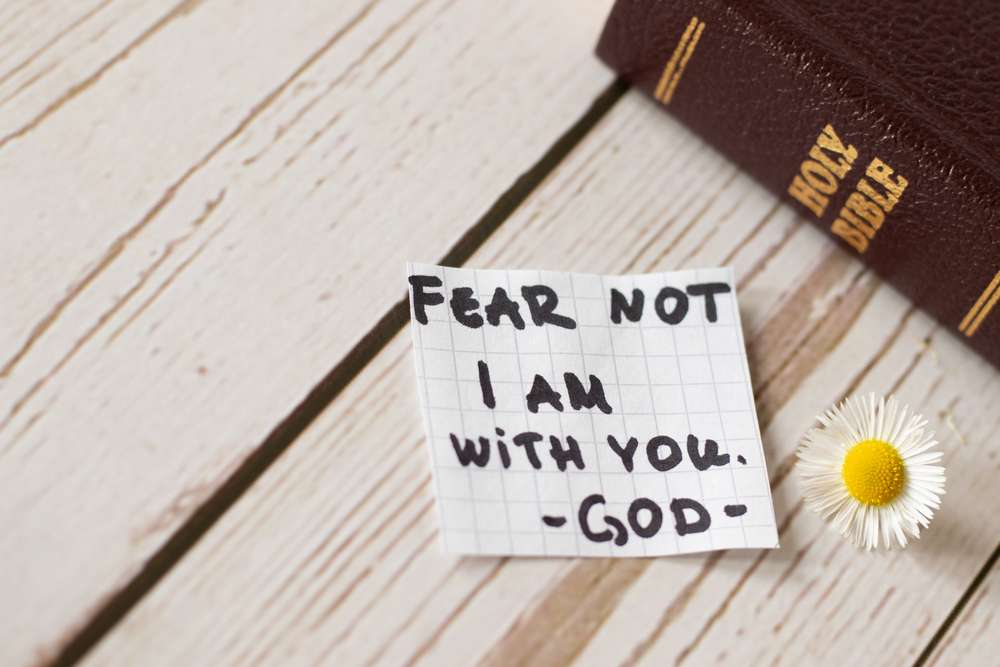
Be Not Afraid
A hymn called “Be Not Afraid” was one of my favorite songs growing up. I loved the song’s simplicity and the message that God is not always with us but in front of us. Leading, Guiding, protecting. Fear and the things that can cause it are always present. As parents, we may find that as soon as our child overcomes one fear, they start experiencing another fear. As they grow older, their fears start to get more complex.
Our job is to provide them with skills, teach them the truth, and show them who to turn to and trust in challenging and scary times. Starting this early is beneficial, but it’s never too late. This Halloween, spend some time thinking about your fears and being honest about what you need to overcome. Talk to your children about the topic. Use what you see in stores and the decorations in the neighborhood to start the conversation. Pray for discernment on how fear has crept into your life, how you can remove the influence, and be more intentional about what to expose to your children.