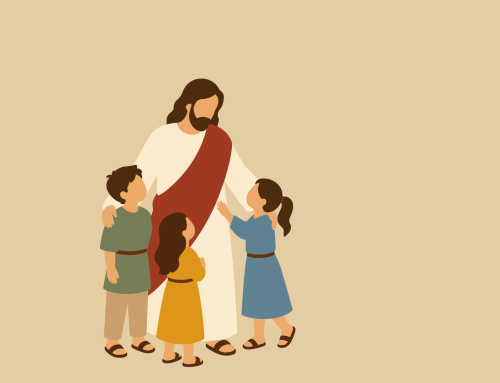
Why Self-Control Matters for Children
There are moments in parenting when I wish character came naturally. Wouldn’t it be wonderful if kindness appeared the first time a sibling borrowed a favorite toy? Or if patience showed up every time we sat in traffic? What if self-control simply arrived the moment our children were tired, hungry, disappointed, or frustrated?
But that’s not how fruit grows.
Scripture tells us that self-control isn’t something we manufacture on our own. It is evidence that the Holy Spirit is at work in our lives.
“But the fruit of the Spirit is love, joy, peace, forbearance, kindness, goodness, faithfulness, gentleness and self-control.” (Galatians 5:22–23)
Notice that self-control comes at the end of the list. It isn’t because it’s less important. In many ways, it protects all the other fruit. Love requires self-control when we would rather be selfish. Kindness requires self-control when someone has hurt us. Peace requires self-control when anxiety is trying to take over.
No one needs self-control when doing the right thing is easy.
We need it when we’re exhausted.
When we’re angry.
When we’re disappointed.
When we’d rather check out than press on.
When giving in would feel so much easier than obeying.
That is where the battle is fought.
How to Teach Children Self-Control
I often think of self-control as teaching our children to slay one of the enemy’s favorite dragons—the dragon of self-indulgence.
This dragon whispers, “You deserve this.”
“Just this once.”
“Do whatever feels good right now.”
“You don’t have to listen.”
“You’re too tired to try.”
The dragon doesn’t usually breathe fire all at once. Instead, it slowly burns away faithfulness, patience, perseverance, and obedience one small choice at a time.
God, however, has not left us defenseless.
Paul reminds Timothy:
“For the Spirit God gave us does not make us timid, but gives us power, love and self-discipline.” (2 Timothy 1:7)
The Holy Spirit equips us—and our children—not merely to survive temptation but to overcome it.
The question becomes, how do we teach our children to use those God-given weapons?

1. Go First
One of the greatest gifts we can give our children is our own imperfect example.
Notice I didn’t say a perfect example.
Sometimes we believe that discipleship means hiding our struggles until we’ve conquered them. But I think our children need to see something different. They need to watch God actively changing us.
When we allow them to see where God is growing us, it gives them permission to begin where they are too.
Maybe patience is your battle.
Instead of pretending you never struggle, invite your children into the journey.
Pray together
Before leaving for school, pray together:
“Lord, help Mommy be patient with other drivers today.”
You might even ask your children to help remind you.
In our family, we’ve come up with funny little blessings for the drivers who frustrate us. Instead of complaining, someone might say, “Lord, bless them today!” More often than not, someone ends up giggling, the tension breaks, and everyone remembers that people matter more than being first in line.
Those little moments become discipleship.
Our children don’t simply hear about self-control.
They watch it grow.
2. Teach Them That Feelings Are Real—but They Aren’t Facts
Our homes should be safe places to talk honestly about emotions. How comfortable is your family discussing what they’re feeling—and why? Jesus often asked questions before He gave answers.
“What are you discussing?”
“Why are you afraid?”
“Why are you troubled?”
He brought people’s thoughts and emotions into the light, not to shame them, but to help them measure those feelings against God’s truth. We can do the same with our children.
It’s okay to feel angry.
It’s okay to feel disappointed.
It’s okay to feel frustrated.
Feelings are real. But they aren’t always telling us the truth.
Just because I feel unloved doesn’t mean I am unloved.
Just because I feel forgotten doesn’t mean God has abandoned me.
Just because I feel angry doesn’t mean I should speak harshly.
Self-control often begins with learning to pause long enough to ask, “Is what I’m feeling lining up with what God says is true?”
Our feelings don’t determine our actions.
Our choices do.
And our choices shape the direction of our lives.

3. Help Them Think Beyond the Moment
When we talk about consequences, we usually focus on the negative.
“If you lie…”
“If you hit your brother…”
“If you don’t do your schoolwork…”
Those conversations are necessary.
But what if we also talked about the beautiful consequences of obedience?
What happens when you choose patience?
What happens when you forgive?
What happens when you finish what you started?
Paul reminds us in 1 Corinthians that we’re running a race worth winning. Athletes willingly embrace discipline because they’re looking toward the prize, not simply today’s discomfort. Our children need that perspective too. There are no shortcuts to becoming more like Christ. Every small choice matters. Every act of obedience strengthens the muscles of self-control. Every victory prepares them for the next challenge.
Keeping the finish line in view is often one of the greatest motivations for making wise choices today.
As Proverbs reminds us,
“Better a patient person than a warrior, one with self-control than one who takes a city.” (Proverbs 16:32)
God measures strength differently than the world does.
4. Create a Plan Before the Battle Begins
Soldiers don’t wait until the battle starts to decide how they’ll fight.
Neither should we.
Take time with each member of your family to build a “tool kit” for moments when self-control will be difficult.
Every child is different.
One child might benefit from making a checklist each morning before beginning homeschool assignments.
Another may wear a bracelet with the word Patience as a reminder before stepping onto the playground.
Some children may need a Scripture verse in their pocket.
Others might need a quiet place to pray.
In our home, we even had literal flags that anyone—including Mom or Dad—could pull when emotions were running high. Raising the flag paused the conversation for a few minutes. It wasn’t punishment. It simply communicated, “I’m struggling right now. I need help choosing wisely.”
What a gift to teach our children that asking for help isn’t weakness.
It’s wisdom.
And when temptation comes—and it will—we can remind them of God’s promise:
“No temptation has overtaken you except what is common to mankind. And God is faithful…when you are tempted, he will also provide a way out so that you can endure it.” (1 Corinthians 10:13)
God always provides a path toward obedience.
Our job is to help our children recognize it.
Slaying the Dragon of Self-Indulgence
Proverbs paints a sobering picture:
“Like a city whose walls are broken through is a person who lacks self-control.” (Proverbs 25:28)
Without self-control, we leave the gates of our hearts wide open for the enemy to wreak havoc.
But with the Holy Spirit leading us, those walls grow stronger one faithful choice at a time.
In a world overflowing with distractions, temptations, and instant gratification, teaching our children to slay the dragon of self-indulgence may be one of the greatest gifts we ever give them.
Not because they’ll become perfect.
Not because they’ll never fail.
But because they’ll learn that every battle is another opportunity to depend on the Spirit of God instead of their own strength.
One choice.
One prayer.
One act of obedience at a time.
And perhaps one day, when they’re facing their own dragons as adults, they’ll remember that self-control isn’t simply about saying “no” to sin.
It’s about saying “yes” to the abundant life God has been preparing for them all along.
For more info on this topic check out our other blogs: