
Right or Righteous? Learning to Live Unoffendable
We had just returned home from church when our normally easy-going son dissolved into tears of frustration. He had gotten in trouble with one of the pastor’s wives for yelling at her daughter. This was not like him. He was the rule follower in our family—the one who rarely got in trouble and often helped lead others by his good example.
After praying together, we asked him to tell us what happened. Through gritted teeth, he explained: she had done something she wasn’t supposed to, and when he called her on it, she lied. He called her out again, and the situation escalated until he was shouting at her to tell the truth.
As he relived the story, his anger flared up again. We asked him to pause, breathe, and calm his heart. Then I gently said, “It sounds like she was afraid to admit her mistake and made another one out of fear. We can all fall into that trap.”
But our son bristled. “But Mom, she was wrong!”
I took a deep breath and asked the Holy Spirit to guide me. Then came the question that has shaped our family ever since:
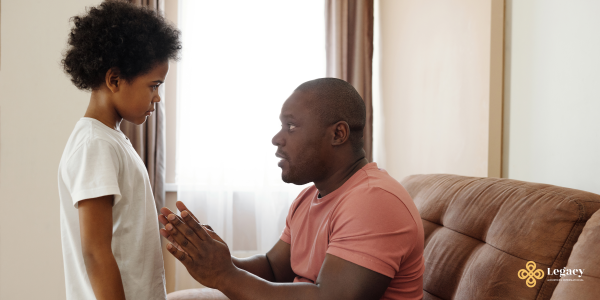
“Yes, but is it more important for you to be right, or to be righteous? Would Jesus have been pleased with the way you responded?”
That question opened the door to a rich conversation about what it means to speak the truth in love and to guard our hearts against offense. Out of that moment came a new motto in the Falkner household:
👉 Is it more important to be right or to be righteous?
The Trap of Taking Offense
This past year, the Lord has been teaching me what it means to live unoffendable. Just when I think I’m making progress, God provides another “opportunity for growth” through His people—or my own family!
I sometimes joke about it, but the truth is that choosing not to take offense is a vital part of our Christian walk. Maybe you’re thinking, “I’m not a pastor or ministry leader, so this doesn’t really apply to me.” But here’s the truth: if you’re a parent, you are a leader. Your children are watching how you handle conflict, pride, and offense.
If we choose to cling to being “right” instead of being righteous, bitterness begins to take root. That bitterness leads to a hardened heart, strained communication, and stunted relationships.
So the question becomes: how do we walk in the freedom of being unoffendable?
Step 1: Recognize Areas Not Fully Submitted to the Lord
One of the most humbling lessons I learned came at the funeral of a student’s father. When I arrived, my student grabbed my arm and led me to the casket. “I want to introduce you to my dad,” he said. Then he told his father how I made math fun and how I helped him feel comfortable being himself. He described all the ways that I was quirky and weird like his dad. He praised parts of myself that others’ off-handed comments had stirred up insecurity and offense. Yet, this dead man in the coffin accepted all the praise of our quirky weirdness without a single word.
In that moment, God whispered to my heart: “You can’t offend a dead man.”
Romans 6:11 says, “Count yourselves dead to sin but alive to God in Christ Jesus.”
A dead man cannot be offended. In the same way, when we surrender our lives to Christ, we give up our right to be easily provoked.
When we feel the sting of offense, it reveals an area not fully surrendered to Him. We then have a choice: feed the offense, or release it into His hands.

Step 2: Surrender Your Insecurities
Offense often grows out of our insecurities. Recently, my husband and I faced a painful situation with our new pastors. Their words felt like an attack on our ministry and even on our character. The temptation to take offense was strong, but we chose to surrender the hurt to God.
As we did, He revealed something powerful: He was asking us to give up our idea of worship ministry so He could show us His vision. He asked me to surrender my insecurities—my fears of being “too old” or “not good enough”—and trust that He qualifies me.
This process is not easy, but it is freeing. We can give God not only what we are, but also what we are not. Our weakness is an invitation for His strength to shine.
Here are some practical ways to surrender your insecurities to Him:
Start in prayer.
Bring the offense to God quickly and often.
Continue in the Word.
Stand on Scripture as you release the hurt. (Romans 5 reminds us that affliction produces endurance, character, and hope—a hope that does not disappoint.)
Be led by the Spirit.
Ask Him for His perspective, His timing, and His words of love.
Step 3: Choose Reconciliation Over Being Right
Through the Spirit’s leading, we chose to encourage and serve our new leaders instead of holding onto hurt. Not long after, one of them texted me:
“The changeover had the potential to be awkward—but you never let that happen. Thank you for your servant’s heart. I just want you to know how much I love you guys.”
That message confirmed what we already knew: God is pleased when we choose righteousness over being right.
Living Unoffendable in Your Family
Being unoffendable starts at home. Your children will have moments of conflict, your spouse will sometimes press your buttons, and extended family will test your patience. Each time, you have the choice: Will you stomp your foot to prove you’re right, or will you lay down your pride and choose righteousness?
So I leave you with these questions:
- In what areas is God calling you to be dead to offense and alive in Christ?
- How can your family culture reflect righteousness instead of a battle for who’s right?
- What insecurity or wound is He asking you to surrender at the cross today?
When you choose righteousness over being right, you will discover freedom, deeper relationships, and a testimony that points your family back to Jesus.