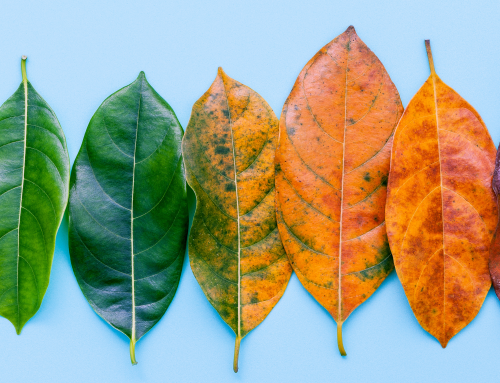
My son held a dry, brittle, brown leaf in his hand and asked, “Momma, what’s this?” My immediate reaction was a little shock- wondering how a child his age had gotten this far without knowing what a “leaf” was. Had I failed as a mom that such a simple item we see daily was unknown to him? Perhaps I should stop homeschooling and send him to school after all! After a minute of shock, I explained to him that it was, in fact, a leaf, and from there, I spired into a long conversation about our leaf and how this small, delicate part of life is an excellent example of our Christian walk.
Roots: Not Just for Nature
It’s springtime! We have the rain, the sunshine, birds chirping, and flowers blooming everywhere. It’s a beautiful time to watch life grow everywhere. Roots are not just in nature. Many visualizations come to mind when someone mentions roots. As a child growing up in the Marine Corps, I immediately think of where I lived and where I would consider my “home”. Many think of planting “roots” in a community- a new neighborhood or a church. We may think of our family and where our ancestors are from. All of these are significant aspects of roots and can be helpful to a person looking to build community or identity.
Roots and Growth
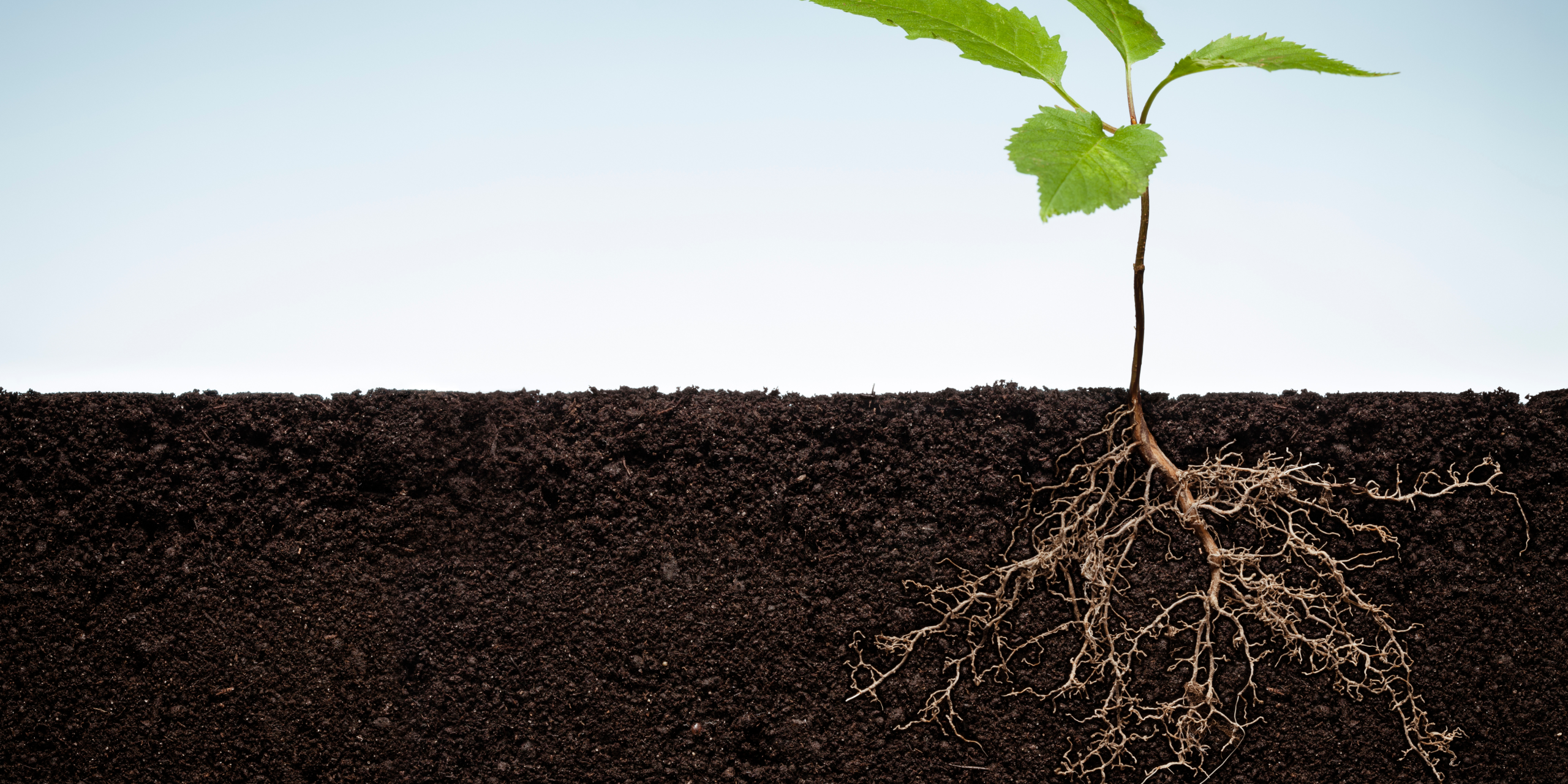
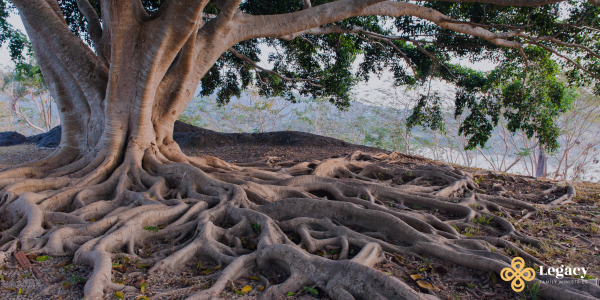
When we think about roots, one of the first ideas that may come to mind is the recognition that roots play a major part in a plant’s development and growth. Roots gather water and nutrients and pass them to the rest of the plant, helping the plant grow outward and upward.
Roots and Stability
We often don’t realize that roots help plants in their stability. When strong winds blow against plants, their roots dig deeper into the ground, providing more stability1. If you’ve ever seen a tree uprooted by a storm, you might find the roots were not long or didn’t go deep into the ground.
Roots and Identity
While not the most common part of identifying a plant, the roots can be used to determine significant differences that help tell us about the plant. What is gathered in the roots is revealed in the plant’s characteristics. The roots help inform the rest of the plant and we see the product of the roots hard work.
Biblical Roots for Christians
All of these are more than exciting lessons on botany. While I am no botanist, I see an important parallel between these concepts and the Christian life. Christian parents need to have roots in Biblical Truth and be teaching it to their Children.
- Biblical roots help our children in their growth—they will grow in spiritual disciplines, healthy relationships, humility, and their relationship with Christ.
- Biblical Roots will help our children with their stability- to stand firm in adversity, speak truth, and not waiver in what’s right and how they are called to live.
- Biblical roots will help our children with their identity- to know who they are, that they are loved, and to not compare themselves to the society around them.
Three Ideas for Teaching About Biblical Roots
- Go for a walk. Find leaves that are no longer connected to their plant and discuss what happened to them. Talk about the importance of the roots and why the leaf continues to grow when connected to the plant but dies when it does not. Talk about how this is similar to how we live when we walk with Christ. We live more fully when we stay connected to our roots.
- Play a root game with your children and their siblings or friends. Have them stand next to one another but not touch. Tell them you (or another parent) will try to move one of them. Then try it again, but have them close together, helping one another not get moved. Show them how much easier it is to stand firm in community, helping support one another.
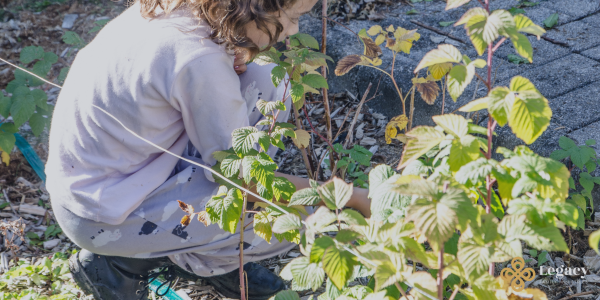
- Pull weeds! This is a great one because you get some chores done simultaneously. While pulling weeds, discuss why some weeds come up easier than others. Usually, the ones that come quickly do so because a. Their roots are short or b. They come disconnected from their roots quickly. Talk about how this is like our walk with Christ. Being firmly rooted helps us avoid being plucked up and falling away.
Final Consideration
After thinking a little longer about my son’s question, “What’s this?” I realized he knows what leaves are (I will keep homeschooling!). However, it was this leaf that he didn’t recognize. No longer attached to its roots, the leaf had lost its color, softness, shape, and life. He did not recognize it because it no longer resembled the leaves he knew. How sad for us when we become like that leaf! As Christian parents, let us intentionally teach our children their most essential roots- above family, above ancestors, above heritage- their roots in Christ.