Worship Is More Than a Song
When most people hear the word worship, their minds go straight to music—hands raised, eyes closed, and hearts lifted to God through a powerful worship song. And while music is a beautiful and meaningful way to connect with God, it’s only one expression of worship. In fact, the Bible uses several different words for worship, and none of them are directly about music!
That means worship is much more than a Sunday morning event. It’s a way of life. As parents, caregivers, and spiritual leaders of our homes, we have the opportunity—and responsibility—to teach our children what worship truly means. It’s not about being a great singer or memorizing all the lyrics. It’s about how we live, serve, and love every single day.
Let’s explore four biblical words for worship and how we can practice each of them as a family.
1.Shachah (Shah-KHAH) – “To Bow Down”
Key Scriptures: Psalm 29:2, Psalm 95:6
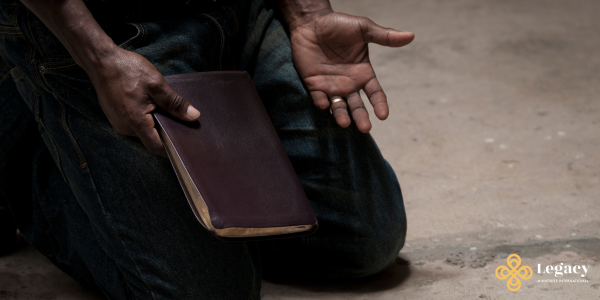
The first word, shachah, is used throughout the Old Testament and literally means “to bow down” or “to prostrate oneself.” It represents a physical and spiritual posture of reverence before God.
In Genesis 24, Abraham’s servant bows down and worships the Lord after seeing his prayers answered. Psalm 95:6 says, “Come, let us bow down in worship, let us kneel before the Lord our Maker.”
In ancient times, bowing was a sign of humility and submission—much like a knight removing his helmet before a king. If the king accepted him, he would tap his shoulder, allowing him to speak. If not, it could mean punishment. The beautiful truth of the gospel is this: every time we bow before God, He welcomes us because of Jesus. His grace taps us on the shoulder and says, “You are mine.”
In the modern church, I’ve encountered Christians who feel the practice of kneeling or bowing is outdated, but Scripture points us back to the importance of aligning physical and spiritual actions. Children inherently understand this. In a Christian school where I taught, I once shared during chapel about shachah and bowing down. At the end of the day, the young girl leading prayer looked around at her classmates and declared, “Everyone, shachah!” Without hesitation, every child dropped to their knees, and we prayed. It became part of our classroom culture. The prayers became more focused; distractions dropped away during chapel worship, and the boldness of these young believers grew.
How Families Can Practice This:
Start your day or prayer time by physically kneeling as a family. Be open to kneeling during worship, whether at home or at church. This posture teaches children that God is holy and worthy of our respect. Remind them that worship isn’t just about saying the right words—it’s about coming before God with awe and humility.
2.Abad – “To Serve – as a Bondservant”
Key Scriptures: Galatians 1:10, Deuteronomy 10:12–21
The second word, abad, means “to serve” or “to be a servant.” It reminds us that worship isn’t just about lifting our hands—it’s also about choosing to serve the Lord.
In Galatians 1:10, Paul identifies himself as a “servant of Christ.” Later, he even calls himself a bondservant—someone who voluntarily becomes a servant for life. In the Jewish tradition, a bondservant was a former slave who loved their master so much that they chose to stay, becoming part of the family forever. That’s how Paul saw his relationship with Jesus: making the choice to go from being a slave to being a son or daughter of the house. Abad worship is choosing to come before God as His child, with boldness.
I love seeing men and women of God quietly pick up trash in the church parking lot, replace toilet paper in the restroom, or fill any need as it arises. These are all acts of abad worship—not coming into God’s presence because we have to, but with confidence, as co-heirs with Christ. Choosing to be servant leaders in our Father’s house.
How Families Can Practice This:
The next time you enter your home—or the house of worship you attend—take some time to consider how guests versus family members serve. Help your kids discover how being part of God’s house brings opportunities to love God and people. Then, talk about how these acts of love are a form of worship.

3.Proskuneo – “To Kiss Toward”
Key Scriptures: John 4:23–24, Revelation 4:9–11, Luke 4:8
It was my first Sunday in Nashville. The next day, I was starting my first teaching position out of college. The principal from the school had invited me to join his family for church. I had made the move alone, taking a risky position at an inner-city school. I was desperate to meet with my Father in heaven that Sunday morning.
I didn’t see my principal, so I took a seat in the second row. As worship began, I couldn’t help but pour out my heart—full of excitement, nerves, and joy at beginning a new chapter. I felt God meet me in those precious moments. As the last note rang out, my hands were lifted to heaven, a smile beaming across my face, tears in my eyes. I was the only one with my hands in the air. I sat down as demurely as possible as people stared. Before the offering basket reached me, a note was passed down the row. I looked up, confused. A young woman gestured for me to open it. It read, “I want to learn how to worship God with the love for Him that you have.”
The New Testament word proskuneo means “to kiss the hand toward one in reverence.” It’s more than bowing—it’s about intimacy and relationship. Think about a little girl blowing kisses to her daddy as he leaves for work. That small gesture is filled with affection, love, and longing.
That’s the kind of love God desires from us. He doesn’t just want obedience—He wants relationship. Worship, in this sense, becomes a love exchange. When we say, “I love You, Lord,” we’re blowing kisses to heaven—and God receives them with joy.
How Families Can Practice This:
Help your kids develop a personal relationship with God by encouraging them to talk to Him like a friend. At bedtime, ask them to tell God one thing they love about Him or one way they saw Him working that day. Teach them that God longs for their affection just as much as their respect. Let them see the intimacy of your relationship with God in worship and daily life.
4.Latreuo – “To Render Religious Service”
Key Scriptures: Romans 12:1, Hebrews 10:1–7
Finally, latreuo means “to render religious service; to minister with your given gifts.” This is where worship becomes both private devotion and public action. In the Old Testament, the Levites were appointed as full-time worshippers who made sacrifices and maintained the temple. But through Jesus, every believer is now part of a royal priesthood.
Romans 12:1 tells us that offering our bodies as living sacrifices is our “true and proper worship.” When we do what God created us to do, it is a beautiful and fulfilling act of worship. When we, as the created, fulfill what we were created to do, it gives glory to our Creator!
I loved going to work with my mom and watching her care for patients as a physical therapist. Understanding the human body, encouraging people who were hurting, and teaching them how God made their bodies to heal were all part of her giftings. When she used them, I sometimes teared up because I could so clearly see who God made her to be and how she honored Him through her gifts.
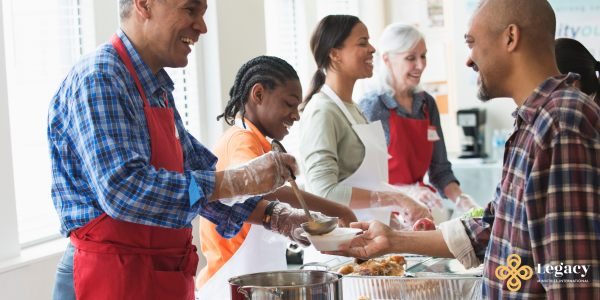
We honor God when we serve in our churches, support our communities, and live obedient, God-centered lives using the talents He’s given us.
How Families Can Practice This:
Get involved as a family in different areas of ministry. Discuss each member’s talents and gifts, then imagine how you can serve God together. Initially, have your kids join you as you serve in the area where God has gifted you. When kids see their parents living out worship through action, it builds a legacy of service and love.
So, What Is Worship Really?
Worship is more than music. It’s a daily choice to honor God with our words, actions, and attitudes. It’s found in:
- Shachah – bowing down in reverence
- Abad – serving others in love as part of God’s family
- Proskuneo – building an intimate relationship with God
- Latreuo – living a life of spiritual service
By understanding these dimensions of worship, we can teach our children that they don’t need a microphone or a stage to honor God. They just need open hearts, willing hands, and a desire to love Him every day.
Family Discussion Questions:
- What does worship mean to you?
- What are some ways you can “bow down” to God in your daily life?
- How can our family serve others this week?
- Why do you think God values relationship in worship?
- How can we use our gifts and talents to worship Him together?
Worship is a lifestyle, not an event. As families, let’s walk together in this truth—teaching our kids to worship God not just on Sundays, but every day of the week.